Case Details
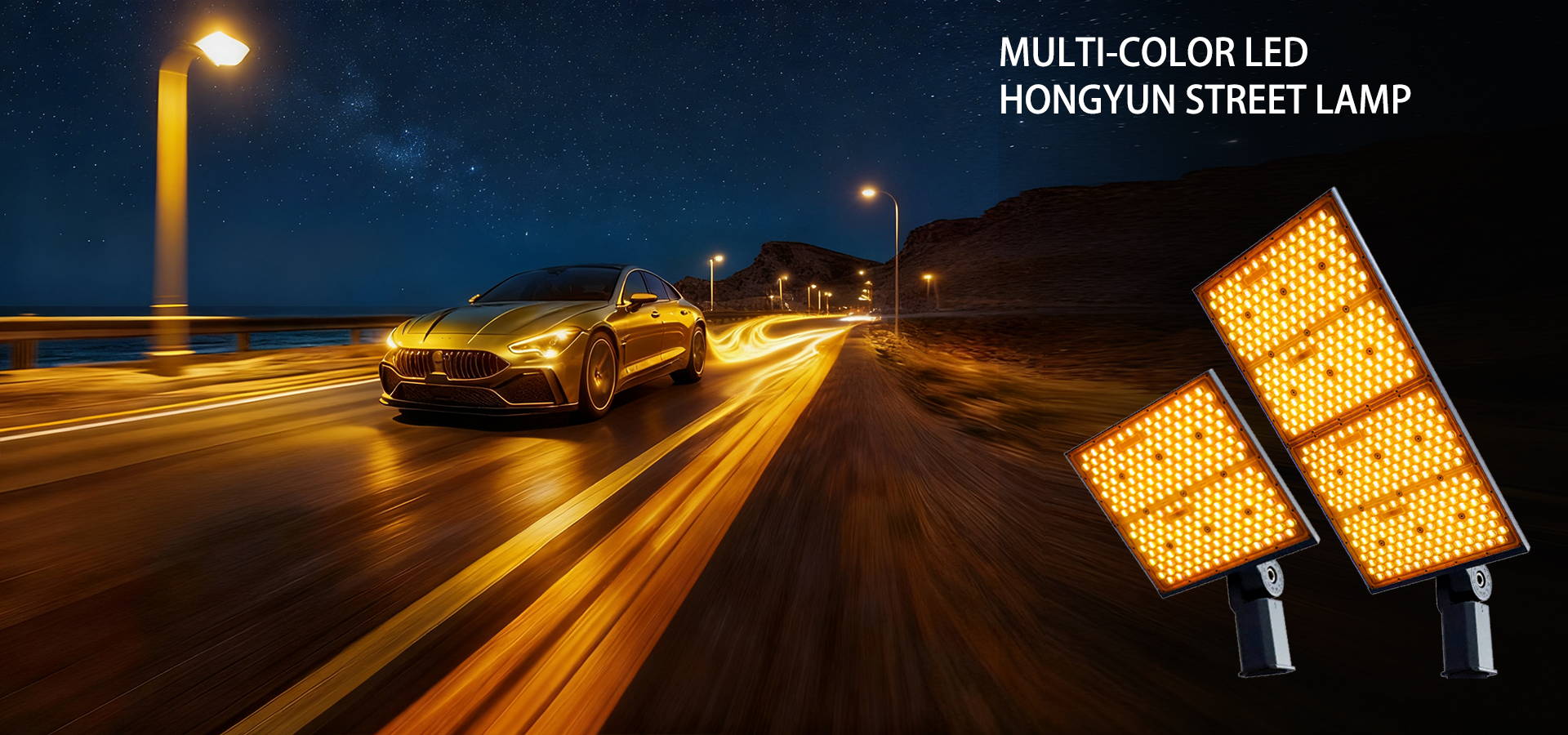
In the field of road lighting, safety penetration, energy-saving efficiency, and light environment friendliness have always been the core demands, but the existing mainstream solutions have long-term shortcomings that are difficult to reconcile:
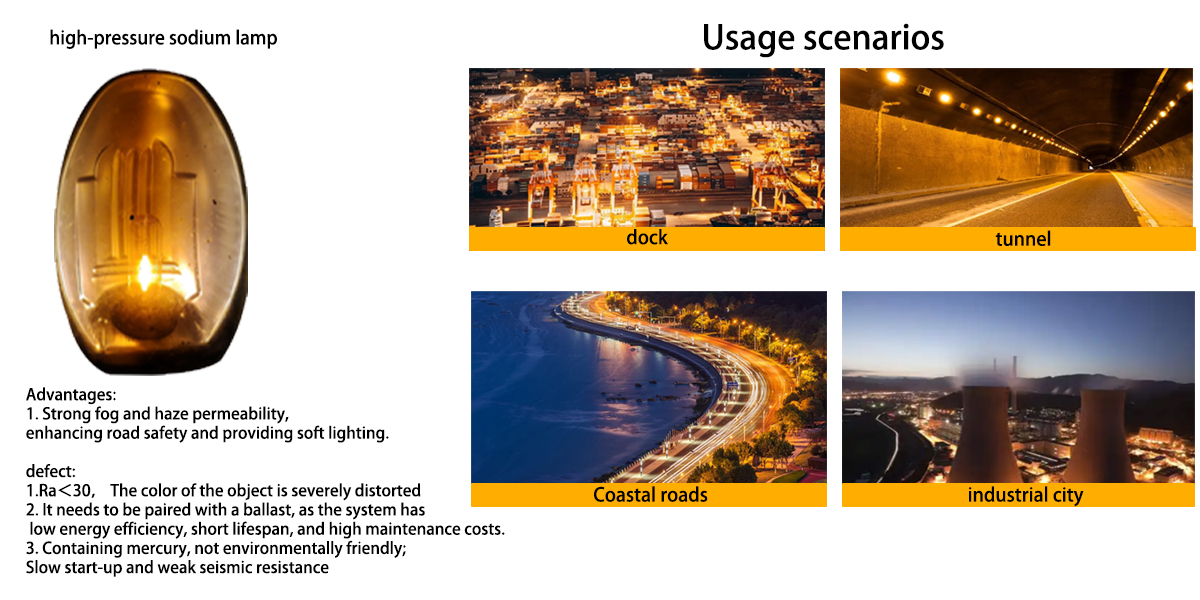
Although traditional high-pressure sodium lamps achieve strong fog and haze transmission capabilities with a low color temperature of 1900K-2200K, and are widely used in industrial cities, coastal roads, docks, tunnels, and other scenarios, they are limited by high energy consumption, low light efficiency, slow start-up, inability to dim, rapid light decay, short lifespan, and environmental pollution, and are gradually being replaced by LED lights;
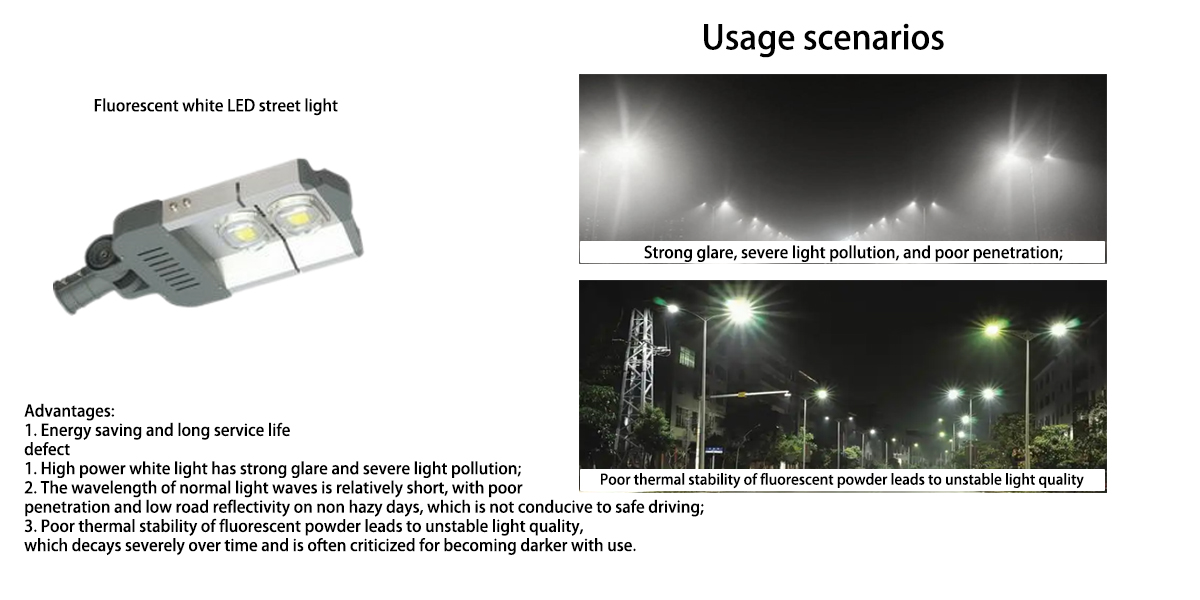
Although mainstream white LED street lights have solved the problem of energy conservation, they have fallen into a new dilemma due to excessive pursuit of light efficiency - a large amount of blue light radiation, severe flicker in some products, which can easily cause visual fatigue, and the widespread existence of low color rendering defects such as R9<30 and Ra<70, leading to a decrease in object recognition and directly threatening road driving safety. At the same time, it causes serious light pollution, which goes against the demand for healthy lighting. Due to the technical barriers of fluorescent powder, it is impossible to achieve a balance between light efficiency and color rendering in high-power low color temperature fields.
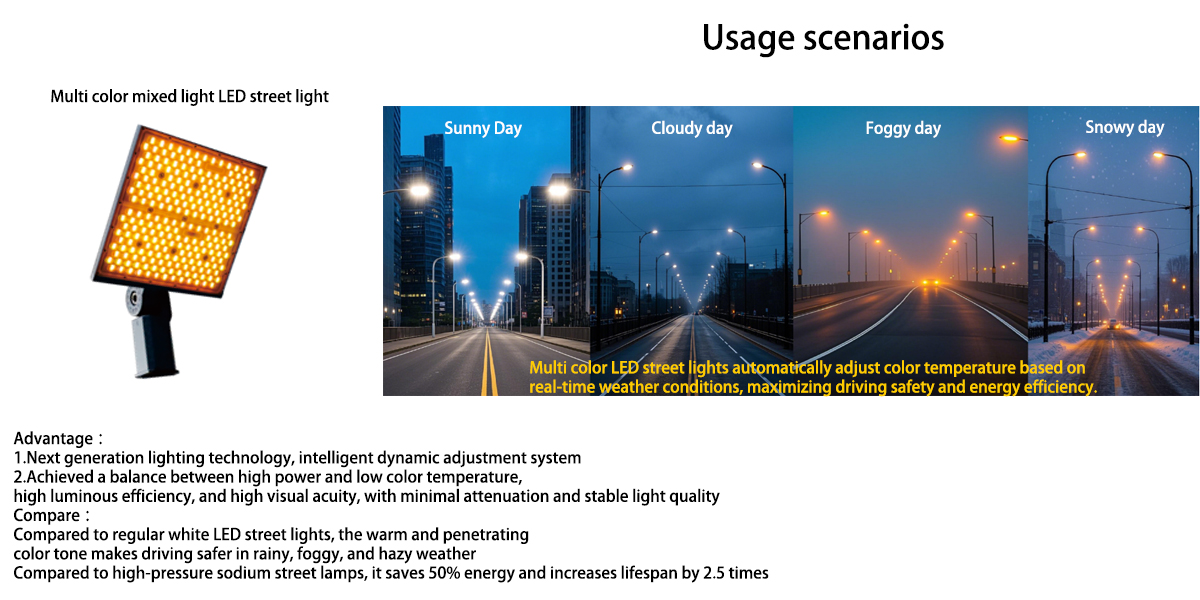
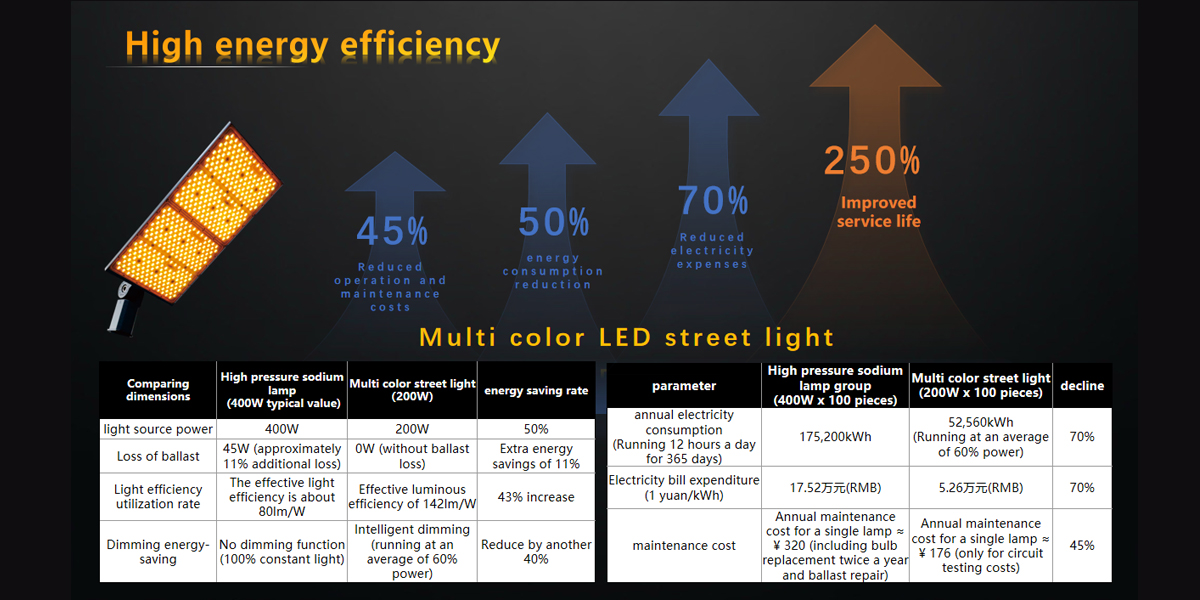
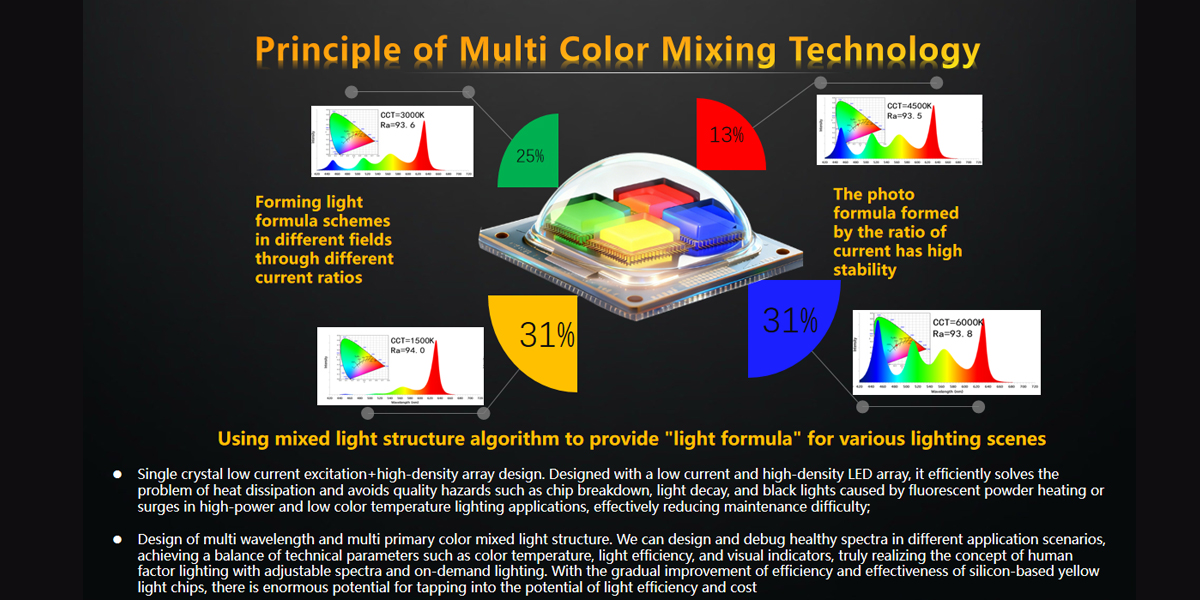
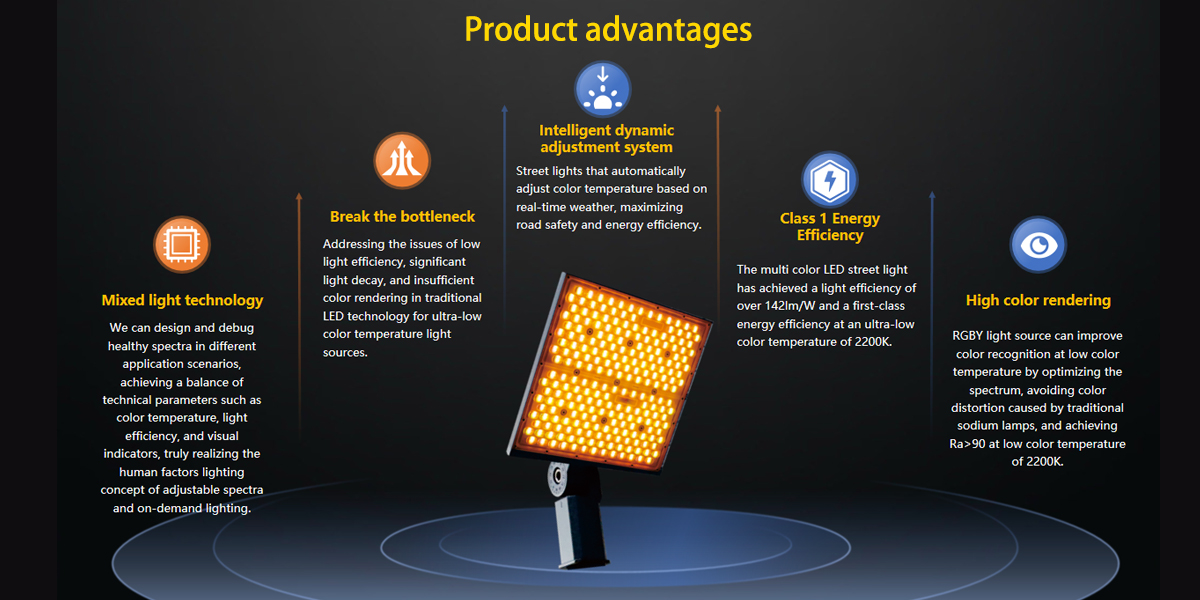
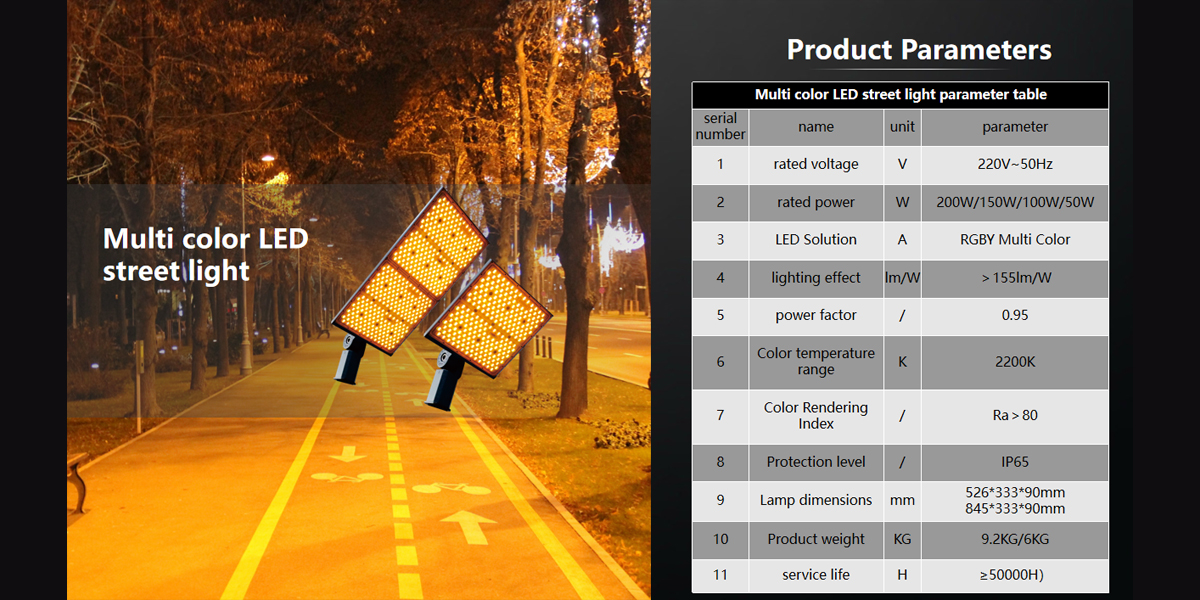
Multi color mixed light LED street lights have achieved a breakthrough in realizing the triple core advantages of "high penetration+high efficiency and energy saving+no light pollution", achieving a balance between high power and low temperature, high light efficiency, and high display index, with minimal attenuation and stable light quality. Provided a better technical solution for road lighting that balances performance, environmental protection, and safety.

